Fitbit Air vs Amazfit Helio Strap: Which $99 Screenless Tracker Should You Buy?
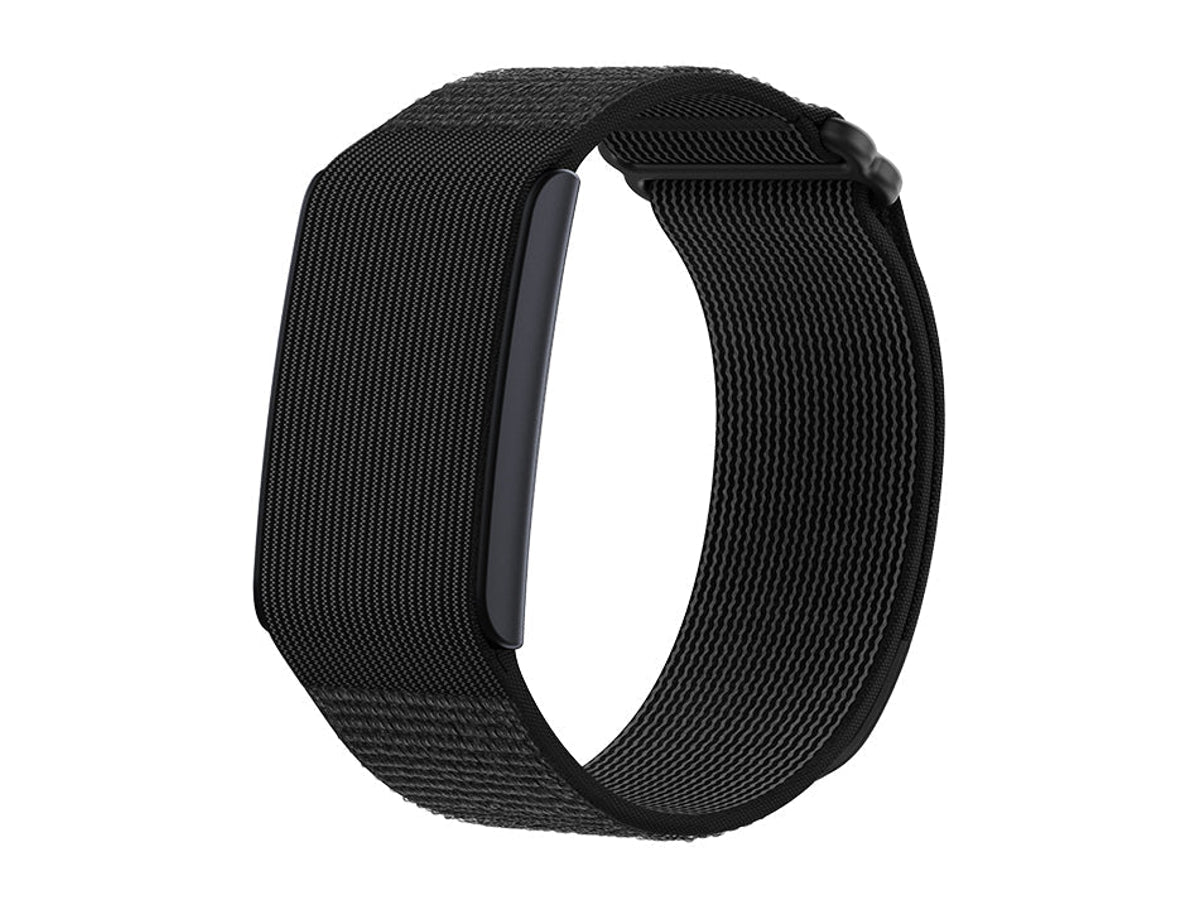
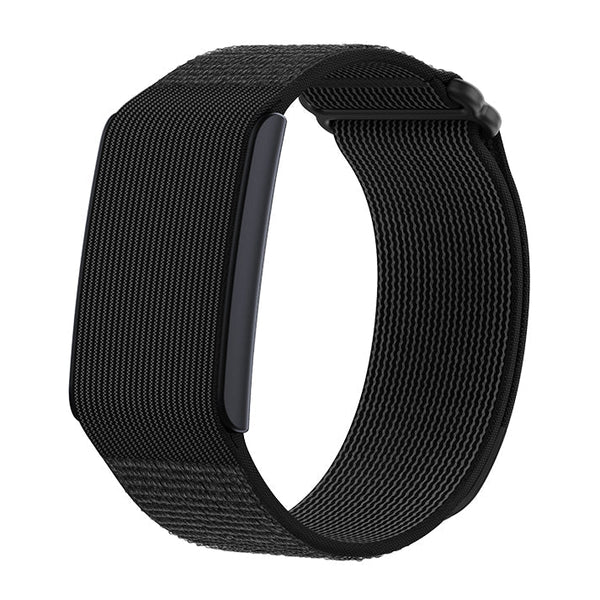 Helio Strap
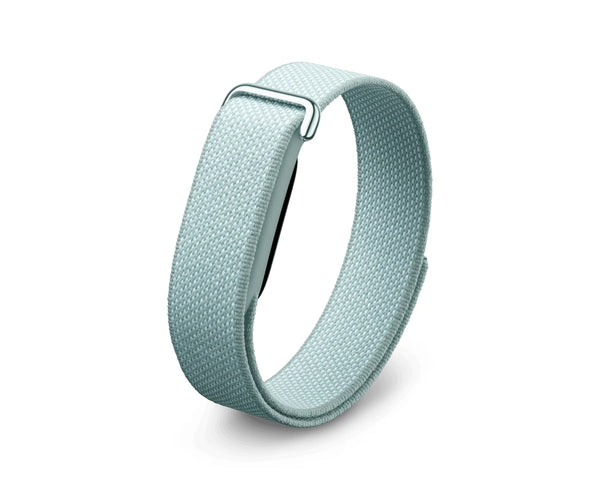 Fitbit Air
Shown roughly to scale, just for fun. Size doesn't decide which one is better.
Both cost $99. Neither needs a subscription. Neither has a screen. On paper the Fitbit Air and the Amazfit Helio Strap look like the same product. Wear them and they turn out to be built for different people. We went through the most detailed tests on YouTube, including lab-style heart rate and sleep data, and added what a year of wearing the Helio Strap every day has taught us.
Choose the Fitbit Air if sleep is your main concern and you want the lightest band you can forget you're wearing. Choose the Amazfit Helio Strap if you train, whether that's running, lifting, football, swimming or HYROX, and want deeper training data free, without a premium plan.
A quick note: this doesn't mean the Helio Strap is uncomfortable or bad at sleep. Here we're only comparing the two head to head. The Helio Strap is comfortable enough to wear all day and night, and its sleep tracking is still good. The Fitbit Air is just a little lighter and a little better at sleep.
Side by side
| Amazfit Helio Strap | Fitbit Air | |
|---|---|---|
| Price | $99 | $99 |
| Subscription | Not needed (optional Zepp Aura sleep add-on) | Not needed (optional Google Health Premium, $9.99 a month) |
| Size | About 24 mm wide, 11 mm thick | About 17 mm wide, 8 mm thick |
| Weight | About 20 g | About 12 g |
| Battery | Up to 10 days (about 8 with heavy use) | Up to 7 days |
| Workout modes | 110+ in the Zepp App, including three HYROX modes | Around 40 |
| Heart rate while swimming | Yes | Not yet |
| Strength exercise and rep detection | Yes | No |
| Energy score | BioCharge (Hybrid Charge), updates all day | Daily Readiness, set once each morning |
| Official bicep band | Yes | Not yet |
| App | Zepp (iOS, Android) | Google Health (iOS, Android) |
Design and comfort
This is the Fitbit Air's clearest win. It's noticeably thinner and narrower, weighs almost half as much and lives up to its name. Its clasp is also a little more refined. Still, every reviewer who wears the Helio Strap daily says you stop noticing the size difference within days, and after a year on our own wrist, we agree. Both trackers use a hook-and-loop fastening that stays put, and both pop out of their bands in seconds, which matters if you like switching bands.
The Helio Strap has one hardware advantage that matters more than a few millimetres: Amazfit already sells an official bicep band. On the upper arm, a tracker reads your heart rate more accurately and stays out of the way in contact sports. Fitbit doesn't offer one yet.
Heart rate accuracy
Both are excellent. The Quantified Scientist tested both against an ECG chest strap across indoor cycling, running, outdoor cycling and weightlifting. Worn on the bicep, both scored about 99 out of 100 for cardio heart rate, which he rates as effectively perfect. The Helio Strap came out a fraction ahead, mostly in outdoor cycling, the hardest cardio test for an optical sensor.
On the bicep, The Quantified Scientist found both trackers beat roughly 85 to 97 percent of every device he has tested. In weightlifting, which most sports watches struggle with, both held up well. The Fitbit Air caught slightly more of the heart rate peaks, and the Helio Strap had the slightly higher correlation. In a separate review, the Helio Strap's average heart rate on a run was within about 0.3 beats per minute of the chest strap. In short, you can trust the heart rate on either one.
Sleep tracking
Fitbit leads here, and we won't pretend otherwise. Google's sleep algorithm is one of the best in any wearable. Against an EEG sleep headband, the Fitbit Air matched more of each sleep stage than the Helio Strap did.
The Fitbit Air also has a smart alarm that wakes you during light sleep within a window you set. The Helio Strap's alarm goes off at a fixed time. Still, the Helio Strap's sleep tracking rates as good, and testers say it has improved with every firmware update. If sleep stages are the only thing you care about, Fitbit wins this round.
Let's be honest about accuracy
Everyone tells you accuracy is the thing that decides it. So we checked, and here's the honest truth: for most people, it doesn't decide anything. On heart rate, both trackers score about 99 out of 100 on the bicep, and the gap is a fraction of a point. On sleep, Fitbit is ahead, but both give you a clear, usable picture of your night.
So read accuracy differently. Once both are accurate enough, the question isn't which number is slightly closer to a lab device. It's what the tracker does for you every day. That's where the Helio Strap pulls ahead for anyone who works out: 110+ sports modes including three HYROX modes, 25 strength exercises it recognises on its own, a BioCharge score that moves with your day, and VO2 max, training load and recovery time after every session. It records without your phone, streams live heart rate to gym machines and bike computers, and syncs to Strava and Apple Health, all free.
For people who train, Amazfit is simply the better experience. That's it. I love using it, and that's why.
Training and recovery
This is where the Helio Strap pulls ahead, and every feature below is free.
Hybrid Charge updates all day. Fitbit's Readiness score gives you one number in the morning, and it doesn't change. Hybrid Charge works like a battery. It fills while you sleep, drains with workouts and stress, and climbs back after a nap. Reviewers called this the better approach because it reflects how you actually feel by evening.
It tracks more of your training. The Zepp App now lists 110+ sports modes, up from 27 at launch, and you get heart rate in the pool. In strength sessions it recognises 25 exercises, counts reps and sets, and shows which muscles you worked. Runs add cadence, stride length, and aerobic and anaerobic training load.
It shows your long-term training status. Zepp compares your short-term fatigue against your long-term fitness and tells you whether your body is adapting or being overloaded. The free version of Google Health only shows an overall cardio load.
It's built for HYROX. Amazfit is the official wearable and timekeeping partner of HYROX, and the Helio Strap has a dedicated HYROX Race mode.
It includes a free coach. Zepp Coach builds training plans with no paywall.
Reviewers also noticed some Fitbit numbers running high or low. One counted roughly 1,000 to 1,500 more steps a day on the Fitbit Air than on other brands, along with a higher resting heart rate. Another found Google Health put his VO2 max around 51, while Amazfit, Whoop and Garmin all agreed on about 55. None of this is a dealbreaker, but keep it in mind if you compare numbers with friends or other devices.
The apps: Zepp vs Google Health
Google Health is clean, very customisable and can pull in data from other devices. Its standout is the Gemini-powered AI coach, which answers questions about your own data and builds workout plans, and every reviewer liked it. The catch is that the coach needs Google Health Premium, so your $99 one-off purchase becomes a monthly bill. Avoiding that bill is the reason most people pick a screenless band over a Whoop.
Zepp's home screen shows sleep, Hybrid Charge and exertion at a glance, a lot like Whoop's. Its AI summaries are simpler than Google's, and the exertion target can be confusing if you also wear an Amazfit watch. On the free version of each app, though, Zepp gives you clearly more training depth.
Battery
The Helio Strap lasts longer: up to 10 days claimed, and around 8 with heavy use. The Fitbit Air is rated for 7 days and gets close to that in real use. Both have to come off to charge, so more days between charges means fewer nights without sleep data.
What about Whoop and Garmin?
Whoop is excellent for all-day wellness, but in the US it costs $200 to $359 a year, and you never stop paying. The Garmin Cirqa is worth it if you already use Garmin Connect, but at $199 it costs twice as much, and some workout charts need Garmin's paid plan. If you already own an Amazfit watch, the advice is simple: get the Helio Strap and keep everything in one app.
Watch the tests
These three reviews are the backbone of this comparison and are worth watching in full.
I've worn the Helio Strap every day for a year. Here's where I land.
Both of these will help you get fitter. If you're trying to get in shape, either one will get you there, so the real question is what keeps you going. If a sport like HYROX is the thing that gets you up in the morning, that's your deciding factor, and it points to Amazfit.
Amazfit is a sports watch company at heart. It has spent a decade building multisport watches, the Helio Strap runs on the same Zepp app and training engine as those watches, and it's the official wearable of HYROX. You can feel that in the training data. The Fitbit Air comes from the other side. It's a wellness band first, colourful and pleasant, and it leans on Google's sleep science and AI. That's a strength if wellness is all you want. It's a limit the moment you want to train seriously.
To be fair, Fitbit tracks sleep better, and the numbers above show it. But most people buy a screenless band to train smarter without paying every month, and the Helio Strap gives you more of that for free.
There's a personal reason too. I don't want what everyone else is wearing, and the Fitbit Air is going to be on every wrist. The Helio Strap looks better and feels less common, and it has the widest range of bands made for it, so you can wear one to the gym and another to the office.
My pick is the Helio Strap.
The Helio Strap isn't sold in India anymore. I was lucky enough to buy one here when it first went live in India, and I fell in love with it instantly. I know exactly why I love it, and that's why we import it for anyone who wants one, keeping the price as low as we can. We buy it new and sealed from an authorised US retailer, handle shipping and customs, and back it with our own 6-month warranty. If it hasn't shipped within 30 days of your order, you get a full refund.
Pre-order the Helio Strap How pre-orders and delivery workGear up
Whichever one you choose, we've got bands for it.
The accuracy figures come from The Quantified Scientist, who tests wearables against an ECG chest strap (Polar H10) for heart rate and a ZMax EEG headband for sleep stages. He notes the sleep results come from a limited number of nights on his own body. Design, battery and feature details come from the long-term reviews below, and sports mode and strength exercise counts come from the Zepp App as of October 2026. Prices are US launch prices at the time of writing. Charts are redrawn from the published data for visual clarity.
1. The Quantified Scientist, Fitbit Air vs Amazfit Helio Strap (SCIENTIFIC Review)
2. Amazfit Helio Strap vs. Fitbit Air: The Ultimate Comparison!
3. WHOOP vs FitBit Air vs Garmin Cirqa vs Amazfit Helio: Which one do YOU Get?!
4. Amazfit, Amazfit named Official Wearable Partner and Timekeeper of HYROX
A wearables fan who can't stop trying new trackers and bands, and loves every minute of it. The Helio Strap has been on their wrist every day for a year, and every band we stock gets tested on it first. They write our buying guides so you can pick the right tracker and band without guessing.
Spotted something?
Tell us. The fix lands in this log.